
Advanced Dry Eye Treatment for Ophthalmologists
A Controlled, In-Office Approach to Ocular Surface Disease Management
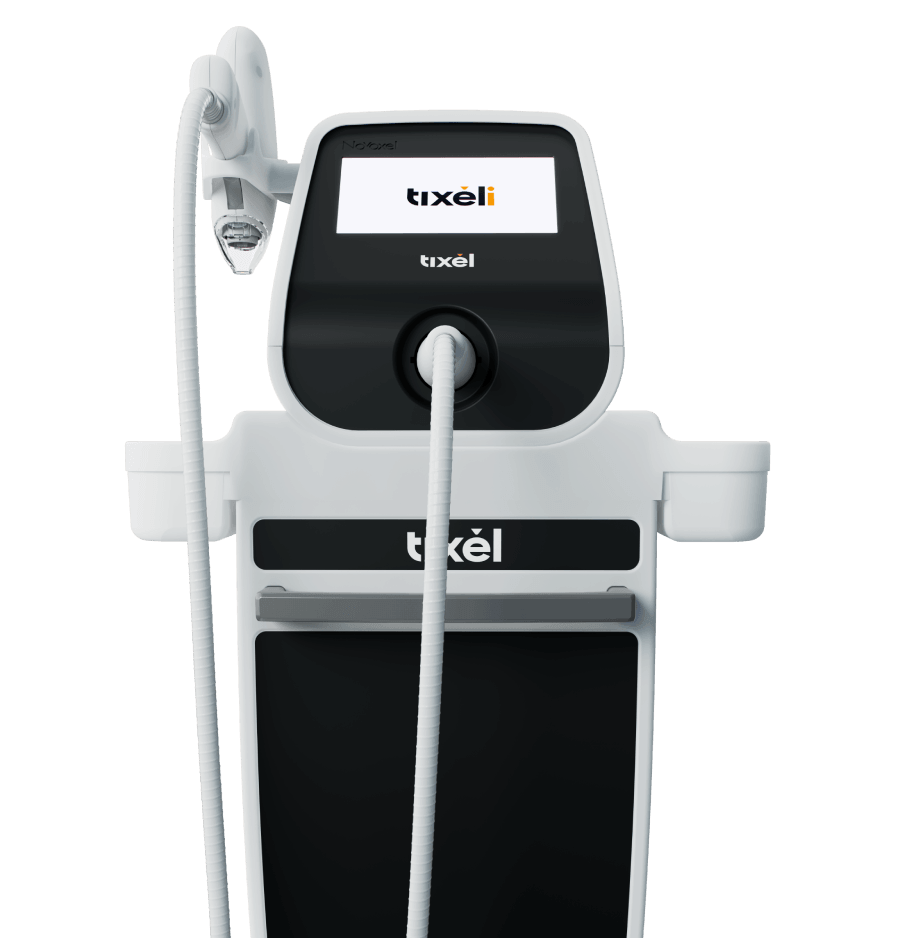
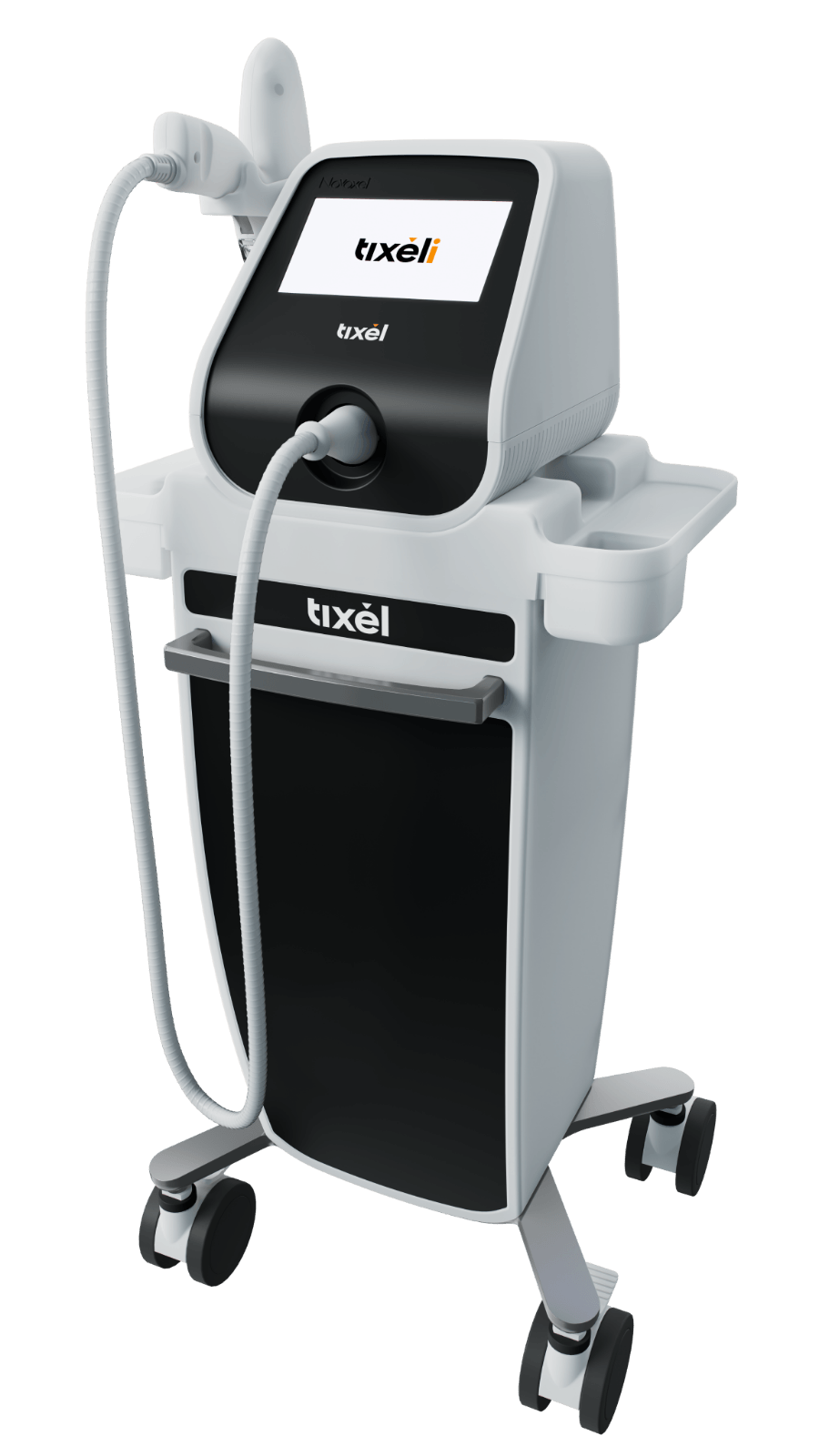
Dry eye in ophthalmology is often a chronic, multifactorial condition linked to meibomian gland dysfunction and broader ocular surface disease. Managing these cases requires more than temporary dry eye relief. It requires a treatment approach that is structured, repeatable, and aligned with underlying pathology. Tixel-i is a non-laser ophthalmology dry eye device designed to deliver a controlled, in-office procedure using Thermo-Mechanical Action. It supports consistent treatment delivery and integrates into clinical workflows focused on long-term patient outcomes. For dry eye treatment for ophthalmologists, this introduces a precise, protocol-driven approach to managing evaporative dry eye.

A Targeted Approach to MGD Treatment
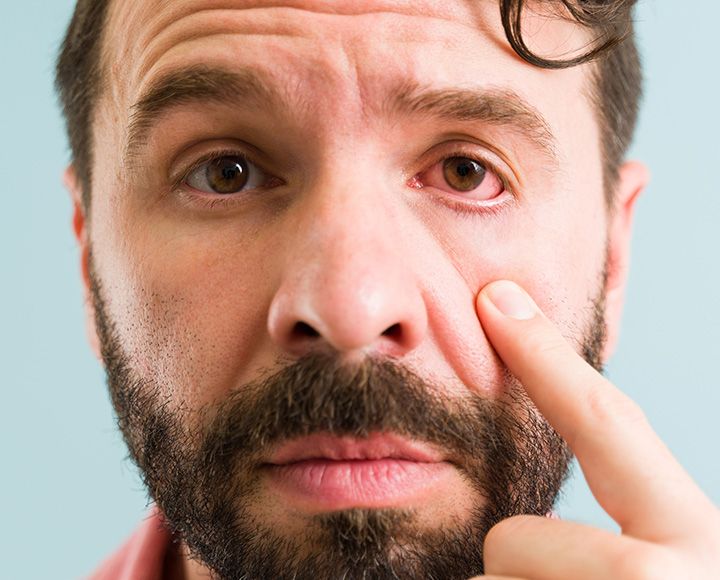
Meibomian gland dysfunction is a primary driver of evaporative dry eye and a key factor in many ocular surface disease cases. Effective MGD treatment must address gland function directly.
Tixel-i delivers controlled thermal energy to the eyelid:
- Supports meibomian gland activity
- Improves tear film stability
- Targets evaporative dry eye associated with gland dysfunction
This allows dry eye treatment for ophthalmologists to align more closely with disease mechanisms rather than symptom management alone.
Built for Clinical Precision and Repeatability
Ophthalmology requires treatments that are consistent across patients and predictable in delivery.
Tixel-i uses Thermo-Mechanical Action to deliver controlled heat through short, precise pulses:
- Defined energy delivery with consistent parameters
- Repeatable protocols across patient populations
- Safe periocular application without contact with the eyeball
This enables standardized MGD treatment within clinical practice and supports more controlled treatment outcomes.
Integrate Into Ocular Surface Disease Management
Dry eye rarely presents as an isolated condition. It often impacts visual quality, long-term ocular health, and treatment planning.
Tixel-i can be integrated into existing care pathways:
- Combined with lubricants and prescription therapies
- Used as part of long-term ocular surface management
- Applied in cases of evaporative dry eye linked to MGD
This allows ophthalmologists to expand treatment strategies without replacing current protocols.
Improve Patient Outcomes and Clinical Experience
Patients with chronic dry eye require treatments that deliver consistent improvement and fit within clinical routines.
The treatment supports:
- Reduction in patient-reported symptoms
- Improved tear film stability
- Greater tolerance for ongoing treatment plans
Short treatment time also supports scheduling efficiency, allowing procedures to be incorporated into standard clinic flow.

Designed for Efficient Clinical Workflow
New technology must integrate into your clinic without adding complexity. The ophthalmology dry eye device is designed for efficiency:
Approximately 2-minute treatment for both eyes
No single-use consumables
Quick room turnover
Minimal setup requirements
This allows dry eye treatment for ophthalmologists to be delivered without extending appointment times or increasing operational burden.

A Non-Laser Option for Treatment Flexibility
Many dry eye technologies rely on light-based systems. Tixel-i provides an alternative approach:
- No laser
- No intense pulsed light
- Controlled thermal energy delivered through direct contact
- No contact with the eyeball
This gives ophthalmologists additional flexibility when managing a diverse patient population.
Support Surgical Outcomes
Ocular surface stability plays a critical role in surgical planning and recovery.
Dry eye can affect:
- Pre-operative measurements
- Healing response
- Patient satisfaction
Tixel-i can be incorporated to:
- Improve ocular surface condition before procedures
- Support recovery after surgery
- Reduce dry eye-related complications
This positions MGD treatment as part of a broader surgical strategy.
A Defined Treatment Protocol
The procedure follows a structured clinical approach:
- Approximately 2 minutes for both eyes
- Treatment of upper and lower eyelids
- Around 40 controlled pulses per treatment
- Delivered as a series of three sessions spaced two weeks apart
This protocol supports consistent delivery and standardized care across patients.
Expand Your Clinical Offering
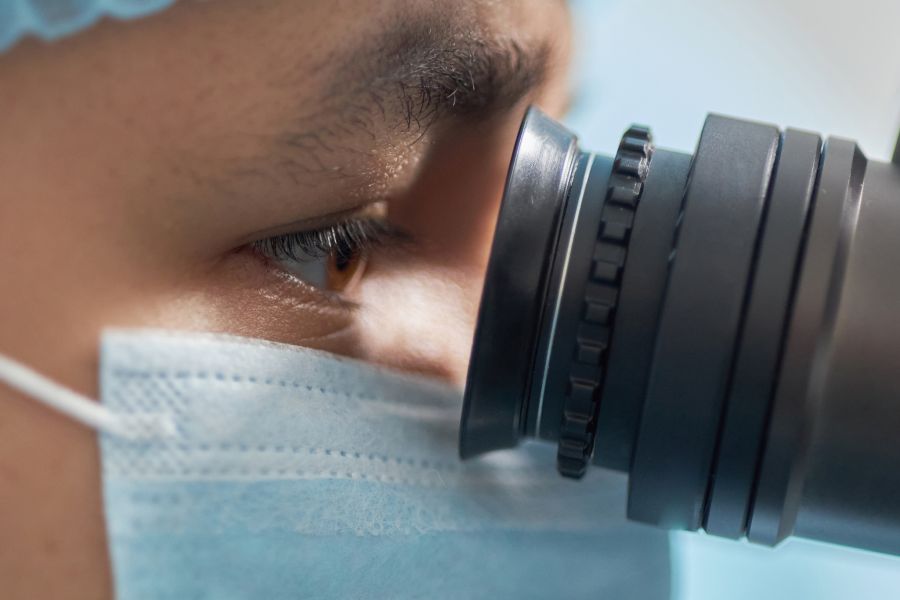
Dry eye continues to grow as a significant concern in ophthalmology.
Dry eye treatment for ophthalmologists should support both clinical management and practice development.
With Tixel-i, you can:
- Introduce a structured treatment pathway
- Retain patients within your practice
- Add a repeatable, in-office procedure
This allows you to deliver more comprehensive care within your existing clinical framework.

Bring Tixel-i Into Your Ophthalmology Practice
You already manage complex dry eye cases. This approach adds a controlled, in-office procedure designed to improve outcomes and integrate into ocular surface disease management.
Tixel-i provides a precise method for MGD treatment that supports consistent delivery, surgical outcomes, and long-term patient care.