
Dry Eye Management Solutions for LASIK Eye Surgeons
A Controlled Approach to Pre- and Post-Procedure Dry Eye Management
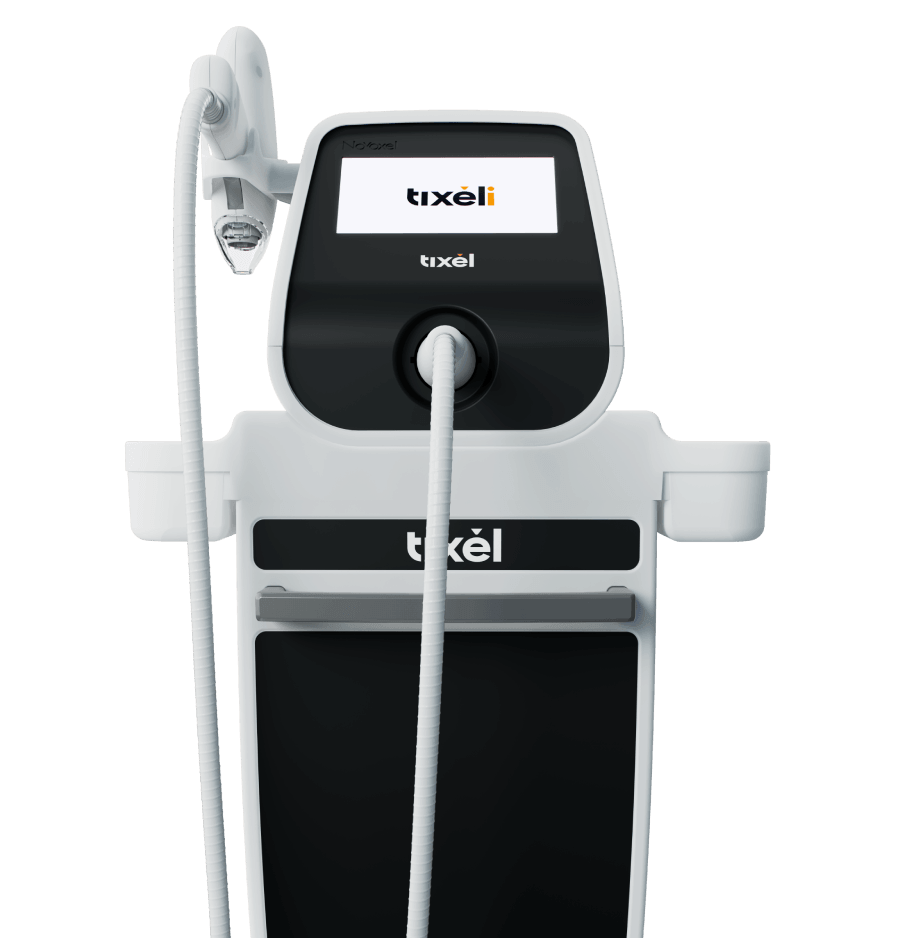
Dry eye directly affects both candidacy and outcomes in refractive surgery. Tear film instability and meibomian gland dysfunction can impact measurements, healing, and overall patient satisfaction. Managing these factors requires more than temporary dry eye relief. New approaches to dry eye treatment are becoming an essential part of refractive surgery planning, particularly when addressing ocular surface stability before and after LASIK. Tixel-i is a non-laser solution designed to support dry eye treatment for LASIK surgeons through a controlled, in-office procedure based on Thermo-Mechanical Action. It enables consistent management before and after surgery without disrupting clinical flow.

Improve Pre-Procedure Readiness
Accurate diagnostics depend on a stable ocular surface. Dry eye can compromise measurements and introduce variability into surgical planning.
Tixel-i dry eye treatment supports preoperative preparation by:
- Improving tear film stability
- Supporting meibomian gland function
- Reducing variability in surface measurements
This allows for more reliable data and greater control over patient selection, while supporting new approaches to dry eye treatment within surgical preparation.

Support Post-LASIK Recovery
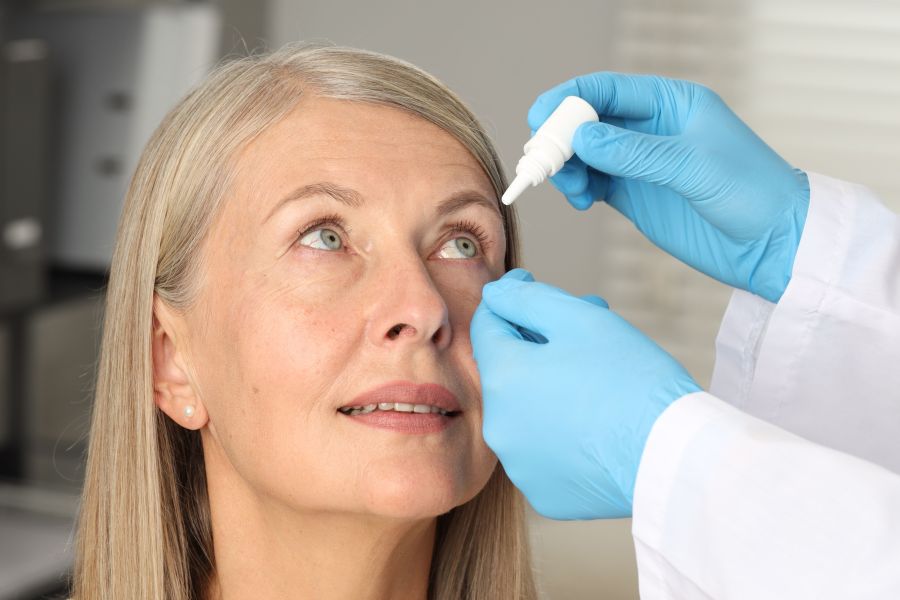
Dry eye symptoms often increase following LASIK. Patients may experience discomfort, fluctuating vision, and delayed recovery. Managing these symptoms is essential for long-term satisfaction.
The treatment supports:
- Management of evaporative dry eye after surgery
- Ongoing tear film stability
- Improved patient comfort during recovery
This helps reduce post-procedure complaints and reinforces dry eye treatment for LASIK surgeons as a critical part of post-operative care.

A Structured Approach to Dry Eye Management
Dry eye management must extend across the full surgical timeline.
Tixel-i enables a defined clinical pathway:
- Use before LASIK to prepare the ocular surface
- Continue after LASIK as part of recovery
- Integrate into long-term patient care plans
This allows dry eye treatment for LASIK surgeons to incorporate a dry eye new treatment approach without disrupting established surgical workflows.
Designed for Surgical Workflow
Refractive practices operate on precision and efficiency. Any additional treatment must integrate without disruption.
The system is designed for streamlined use:
- Approximately 2-minute treatment for both eyes
- No single-use consumables
- Quick patient turnover
- Minimal setup requirements
This enables dry eye management to be incorporated into your schedule without affecting surgical flow.
A Non-Laser Complement to LASIK
LASIK procedures already rely on laser technology. Adding additional light-based systems may not always align with your clinical approach.
Tixel-i provides a non-laser alternative:
- No laser
- No intense pulsed light
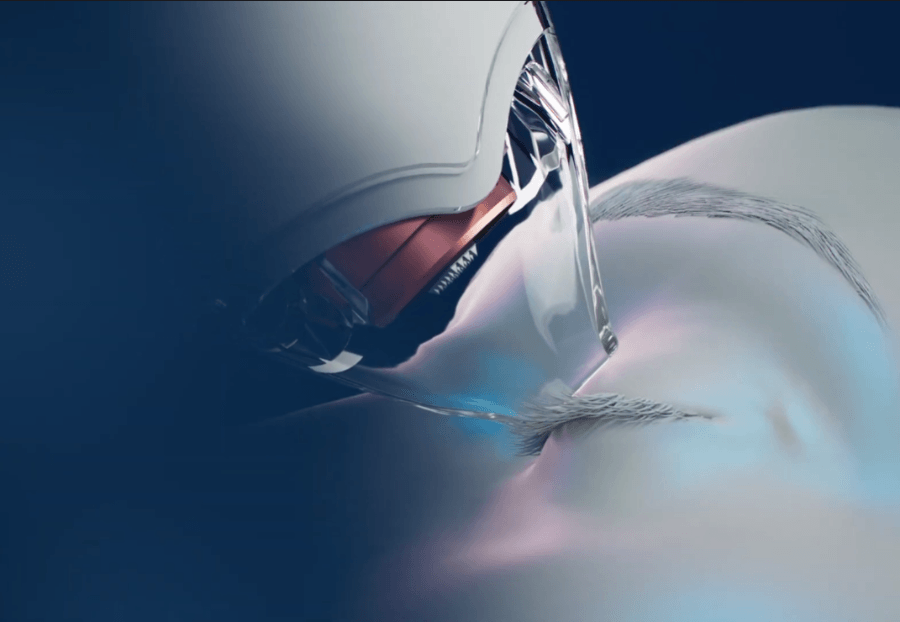
- Controlled thermal energy delivered through direct contact
- No contact with the eyeball

This expands your treatment options and supports adoption of a dry eye new treatment approach without overlapping technologies.
Improve Patient Satisfaction
Patient expectations are high in refractive surgery. Even mild dry eye symptoms can affect perceived outcomes. Effective management supports:
Greater visual consistency
Improved comfort during recovery
Higher overall satisfaction
This helps protect both clinical results and patient perception of success.

Strengthen Surgical Outcomes
Ocular surface stability plays a direct role in surgical success.
By integrating dry eye management into your process, you can:
- Improve preoperative surface conditions
- Support healing after surgery
- Reduce complications associated with dryness
This positions new approaches to dry eye treatment as an important part of optimizing surgical outcomes.
A Defined Treatment Protocol
The procedure follows a structured clinical approach:
- Approximately 2 minutes for both eyes
- Treatment of upper and lower eyelids
- Around 40 controlled pulses per treatment
- Delivered as a series of three sessions spaced two weeks apart
This protocol supports consistent delivery and integration into surgical timelines.

Easy to Integrate Into Your Practice
Adopting new technology should not disrupt your team or workflow.
Tixel-i is designed for efficient implementation:
- Standard treatment room required
- Training provided for clinical teams
- Clear protocols for consistent delivery
You can introduce dry eye management without changing your existing setup.
Elevate Your Refractive Care Strategy
Dry eye is a known barrier in LASIK outcomes. Addressing it effectively strengthens your overall approach to patient care.
With Tixel-i, you can:
- Expand your treatment capabilities
- Improve continuity of care
- Support a more complete surgical pathway
This allows dry eye treatment for LASIK surgeons to become a defined part of refractive care.


Bring Tixel-i Into Your LASIK Practice
You already focus on precision and outcomes. This approach supports both by addressing ocular surface stability at every stage of the patient journey.
For LASIK practices, adopting a dry eye new treatment approach supports patient outcomes and long-term surgical consistency.
Tixel-i dry eye treatment provides a controlled, in-office method designed to integrate seamlessly into your workflow.